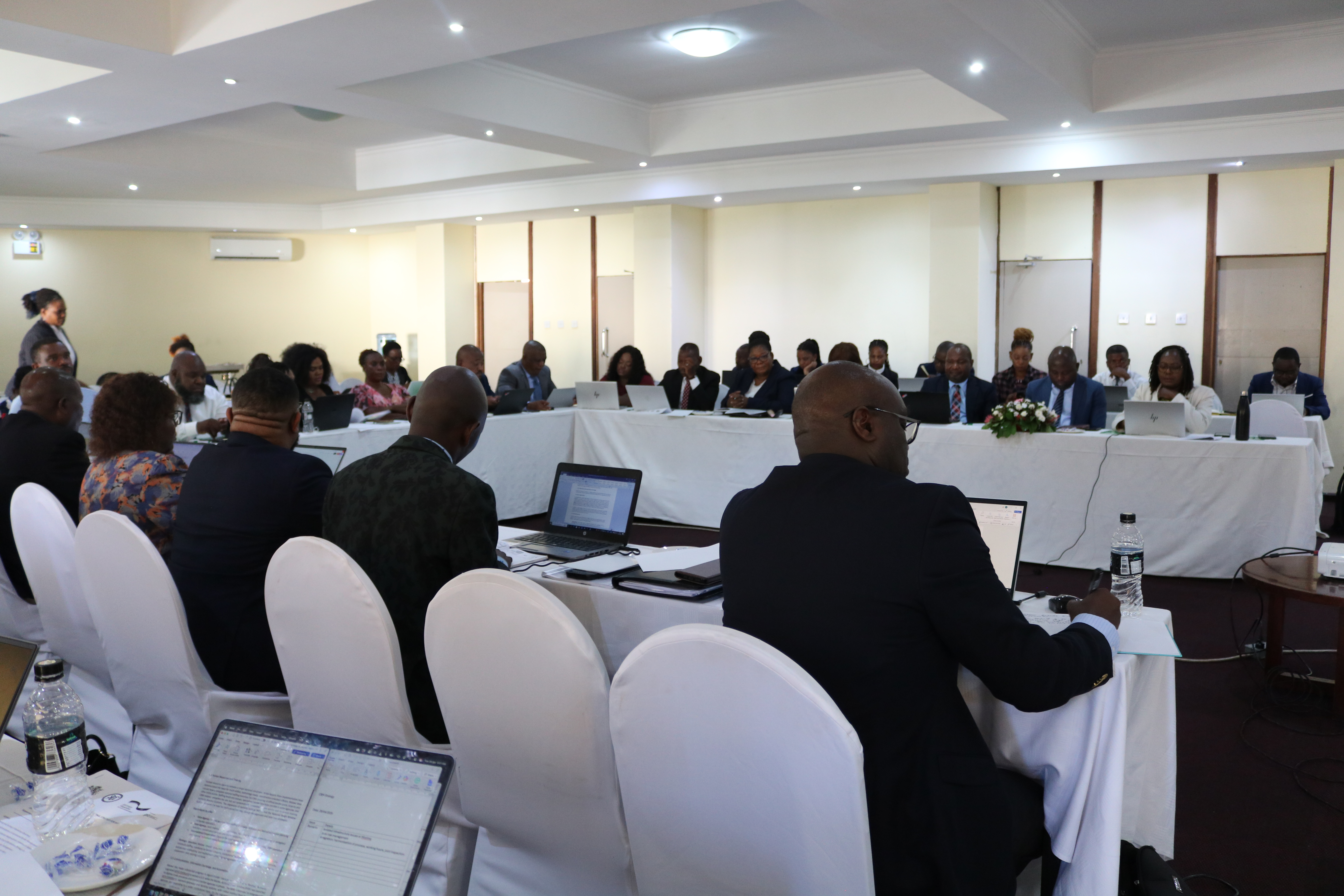
The Southern African Development Community (SADC) in collaboration with the European Union (EU) through the 11th European Development Fund (EDF) and the Deutsche Gesellschaft für Internationale Zusammenarbeit (GIZ), the development agency of the Federal Republic of Germany, convened a validation workshop for Malawi's Coordinated Border Management (CBM) National Strategy on 28th and 29th April 2026 in Lilongwe, Republic of Malawi.
The main objective of the workshop was to ensure the Draft National Strategy, reflected the perspectives of the Malawian stakeholders, business operators and associations, to ensure national ownership and to guide the effective implementation of identified measures and the Action Implementation Plan.
The implementation of the CBM Concept in Malawi forms part of the operationalisation of the SADC Industrialisation Strategy, particularly its focus on Regional Value Chains (RVCs) as outlined in the Regional Indicative Strategic Development Plan (RISDP) 2020-2030. The Government of Malawi is prioritising the implementation of the strategy to improve business competitiveness, attract foreign direct investment, and stimulate economic growth.
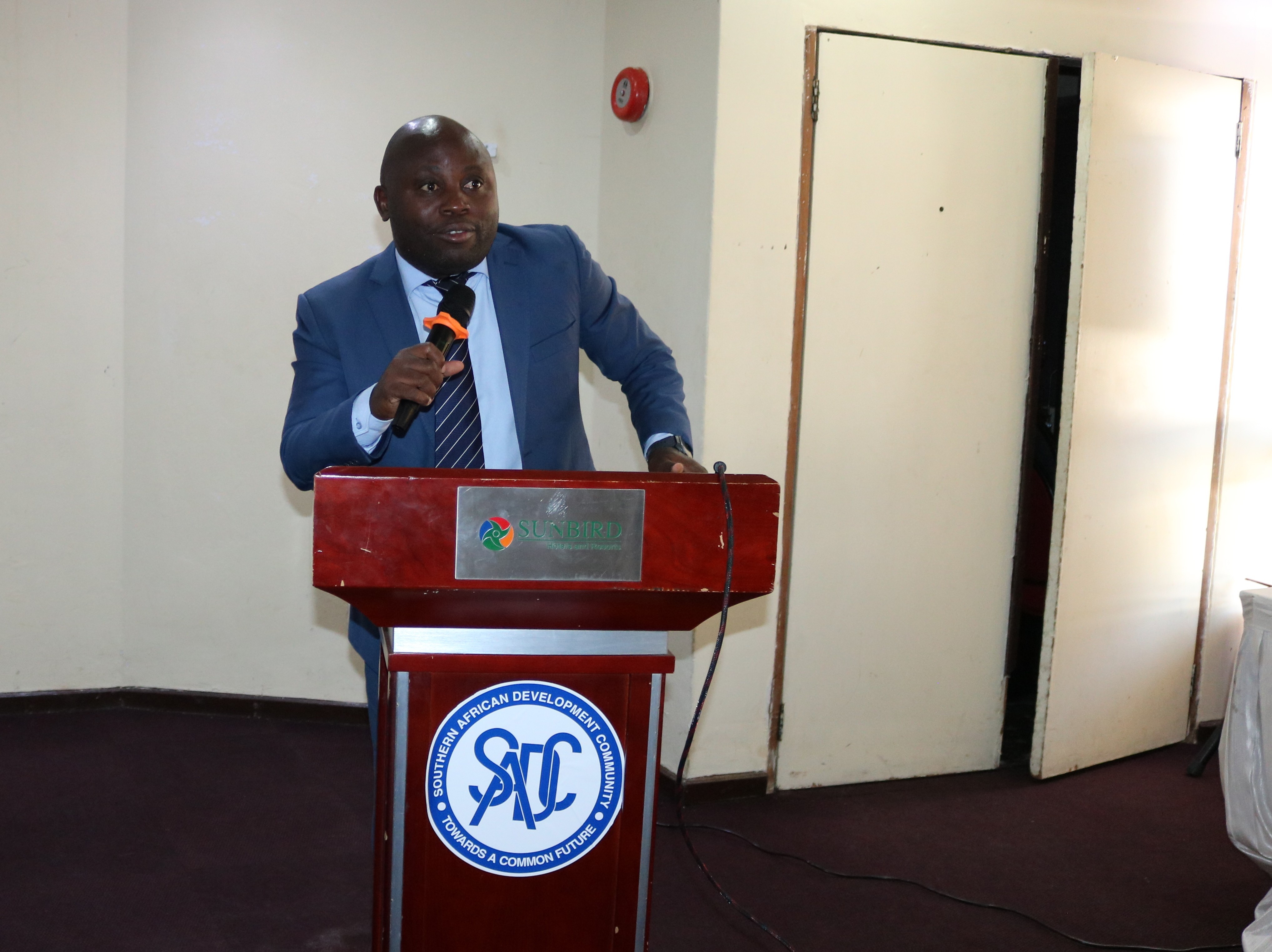
Mr. Wiskes Nkombezi, Secretary for Industrialisation, Business, Trade and Tourism acknowledged that efficient border management is central to facilitating trade, enhancing security, and improving service delivery. Through coordinated approaches, agencies operating at the border such as customs, immigration, health and security services can work together seamlessly, sharing information, streamlining procedures, and reducing duplication of efforts, he said.
Mr. Nkombezi underscored that the workshop marks a significant milestone in their efforts to strengthen the efficiency, transparency, and coordination of border management in Malawi. He said the development of the CBM National Strategy is a critical step towards realising both national and regional trade facilitation objectives and demonstrated their government’s commitment to ensuring that Malawi’s borders are not barriers to trade, but gateways to prosperity and regional connectivity.
Mr. Alberto Alexandre, Programme Officer, Capacity Building in the Directorate of Finance, Investment and Customs at SADC Secretariat acknowledged that the SADC Secretariat remains committed to supporting Malawi in the implementation of the CBM National Strategy.
He emphasised the critical importance of the Coordinated Border Management concept as an important trade instrument that offers numerous advantages, such as accelerating processing times and enhancing trade facilitation turnaround time by simplifying and expediting border clearance procedures. This, in turn, promotes efficient cross-border trade within the wider SADC region.
The workshop was attended by representatives of various Malawian government agencies, private sector organizations, including the Ministry of Industry and Trade, Malawi Revenue Authority, Department of Agricultural Research Services, Malawi Bureau of Standards, Malawi Police Service, Port Health, Department of Fisheries, Pharmacy and Medicines Regulatory Authority, Pesticides Control Board, Department of Animal Health and Livestock Development, Department of National Parks and Wildlife, Department of Forestry, Department of Road Traffic and Safety Services, Department of Immigration and Citizen Services, Clearing and Forwarding Agents Association of Malawi, Cross-Border Traders Association, Office of the President and Cabinet.